
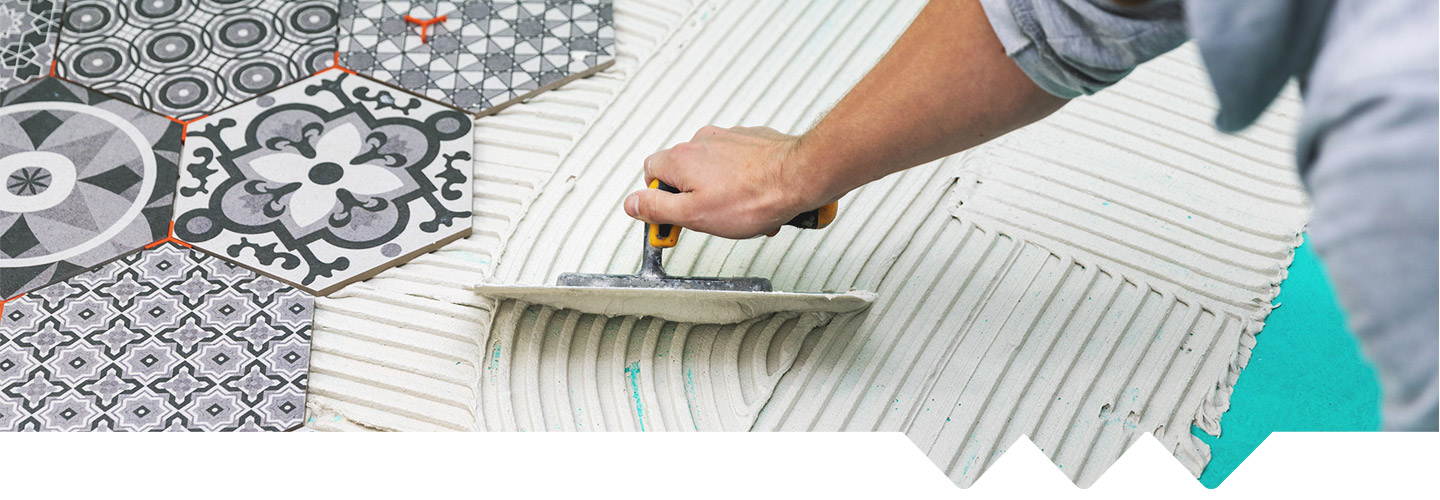
Tile Backsplash Installation
A tile backsplash protects the wall behind a sink or cooktop, but it also plays a large role in the finished look of a kitchen. The material, layout, and installation details all contribute to how the space feels once everything is complete. At Capital Tile & Marble, backsplash installation is approached as a precise finish element. The goal is always a clean, durable installation that complements the surrounding cabinetry, countertops, and appliances.
Our team installs tile backsplashes in kitchens throughout central New Hampshire. Every project begins with a careful evaluation of the space so the tile layout works with the dimensions of the wall, the outlets, and the surrounding finishes.
Planning the Backsplash Layout
A tile backsplash adds both protection and style, transforming the look of any kitchen or bathroom. Designed to complement cabinetry, countertops, and overall design, options range from classic subway tile to bold mosaics and sleek large-format panels. With precise cuts, clean grout lines, and premium setting materials, a professionally installed backsplash delivers lasting durability along with a beautiful finish that stands up to daily use.
Backsplash installation starts well before the first tile is set. Layout planning is one of the most important steps in the process.
In most kitchens, the backsplash runs between the countertop and the bottom of the upper cabinets. That space may appear straightforward, but small details can affect the final result. Electrical outlets, window trim, range hoods, and cabinet spacing all influence how the tile pattern will fall across the wall.
Our installers take measurements and review the tile size and pattern before installation begins. The goal is to avoid awkward cuts and maintain a balanced layout across the wall. Centering a pattern behind a cooktop or aligning grout joints with features in the kitchen can make a noticeable difference once the project is complete.
Careful planning also ensures that grout joints remain consistent and that tile edges meet countertops and cabinetry cleanly.
%20(2).png)
Materials Commonly Used for Backsplashes
Tile backsplashes are available in a wide range of materials. The best option often depends on the style of the kitchen, the surrounding materials, and how much maintenance the homeowner prefers.
Some of the most common backsplash materials we install include:
Ceramic tile
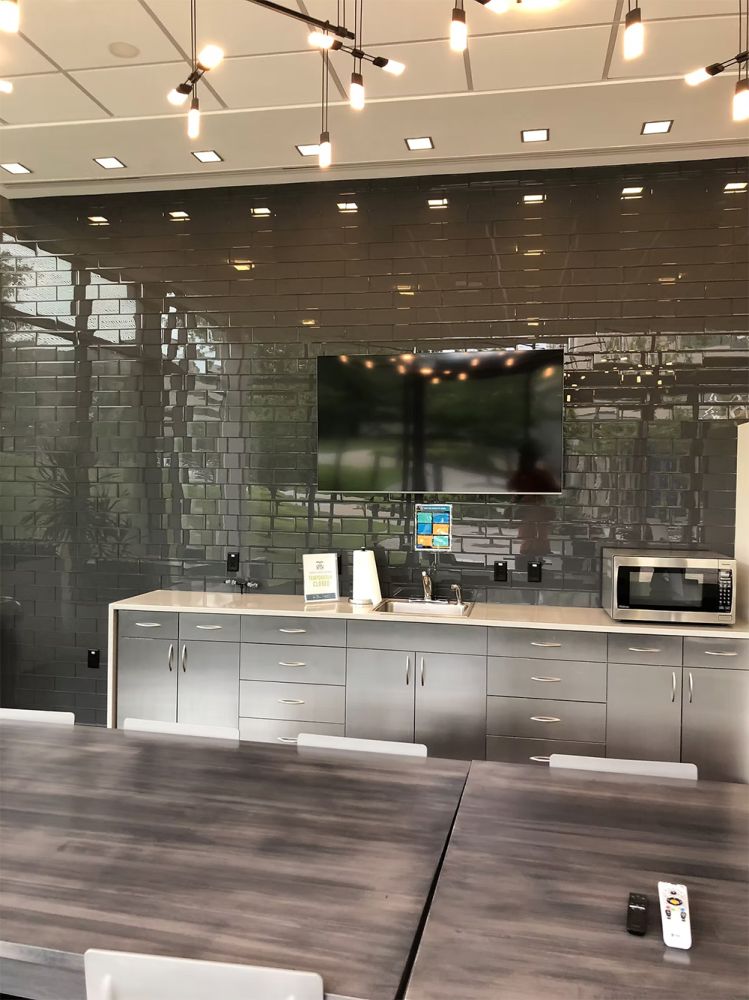
Ceramic tile is a reliable and widely used option for backsplashes. It is durable, easy to maintain, and available in many shapes and colors. Subway tile remains one of the most popular ceramic backsplash styles because it works well in both traditional and modern kitchens.
Porcelain tile
Porcelain tile offers many of the same visual options as ceramic but is manufactured to be denser and less porous. It is a durable material that performs well in kitchen environments.
Glass tile
Glass tile reflects light and can add brightness to a kitchen. It is often used for accent areas or full backsplash installations when a reflective surface is desired.
Natural stone tile
Materials such as marble, limestone, and travertine create a more natural, textured look. Natural stone backsplashes require careful installation and sealing to maintain their appearance over time.
Because Capital Tile & Marble also works extensively with stone fabrication and installation, we often coordinate backsplash materials with countertop selections to create a cohesive design.

Tile Backsplash Installation in New Hampshire
Capital Tile & Marble provides backsplash installation services for homeowners throughout New Hampshire. Our team works closely with homeowners, builders, and designers to install tile backsplashes that complement the overall kitchen design.
Every project is completed with careful attention to layout, material selection, and installation details so the finished result feels integrated with the rest of the space.
.jpg)
If you are planning a kitchen renovation or updating your existing space, a tile backsplash can add both protection and visual interest to the room. The right material and layout can tie together countertops, cabinetry, and appliances while protecting the wall surfaces behind them.
Capital Tile & Marble can help guide material selection and handle the full installation process so the finished backsplash fits naturally within your kitchen.
To learn more about tile backsplash installation or to discuss an upcoming project, contact us via our form below.
Tile Backsplash Installation FAQs
How high should a tile backsplash go?
In many kitchens, the backsplash runs from the countertop to the bottom of the upper cabinets. This creates a continuous surface that protects the wall while visually connecting the countertop and cabinetry.
Some kitchens extend the backsplash higher, especially behind a cooktop or range hood. Full-height backsplashes that run to the ceiling are also becoming more common in modern kitchen designs. The ideal height often depends on the layout of the cabinets, the type of tile being used, and the overall design of the space.
What is the best tile for a kitchen backsplash?
There is no single best material, but several tile types work well for backsplash installations. Ceramic and porcelain tiles are popular because they are durable, easy to clean, and available in many styles. Glass tile is often chosen for its reflective qualities and ability to brighten a space.
Natural stone materials such as marble, limestone, or travertine can also be used to create a more natural look. The best material often depends on the style of the kitchen, the surrounding finishes, and how much maintenance the homeowner prefers.
How long does backsplash installation take?
Most backsplash installations can be completed within one to two days, depending on the size of the kitchen and the complexity of the tile layout. Smaller installations using standard tile patterns may be completed in a single day, while more detailed designs or intricate patterns can take longer.
After the tile is installed, grout is applied and the surface is cleaned to complete the installation.
Should the backsplash match the countertop?
A backsplash does not need to match the countertop exactly, but it should complement the materials used in the kitchen. Many homeowners choose backsplash tile that coordinates with the countertop color, cabinetry, and flooring to create a balanced design.
Because backsplashes are a smaller surface area, they also offer an opportunity to introduce texture, pattern, or contrast within the kitchen.
Can tile backsplashes be installed in bathrooms?
Yes. Tile backsplashes are often installed behind bathroom sinks and vanities to protect the wall from water and daily use. Many of the same tile materials used in kitchens can also be used in bathrooms, allowing the backsplash to coordinate with surrounding tile, countertops, or fixtures.
%20(3).png)
Why Professional Installation Matters
Backsplashes may cover a relatively small area compared to flooring or shower installations, but they require careful detail work. Even minor layout or spacing issues can be noticeable once the installation is complete.
Professional installation helps ensure:
- Consistent grout lines
- Accurate tile cuts around outlets and corners
- Proper bonding to the wall surface
- Clean transitions to countertops and cabinets
These details contribute to a backsplash that not only looks finished but also performs well over time.