
Common Challenges with Tile Installation in Manchester, NH
Bathroom tile installation rarely begins on a perfectly clean slate. In many Manchester homes, tile work takes place after decades of renovations, repairs, and changes to the original structure. What appears to be a simple bathroom update often requires careful preparation before the first tile is even set.
At Capital Tile & Marble, much of the work happens before tile installation begins. Understanding the conditions in Manchester homes allows the installation process to move forward with fewer surprises and a more durable finished result.
Older Structures and Uneven Subfloors
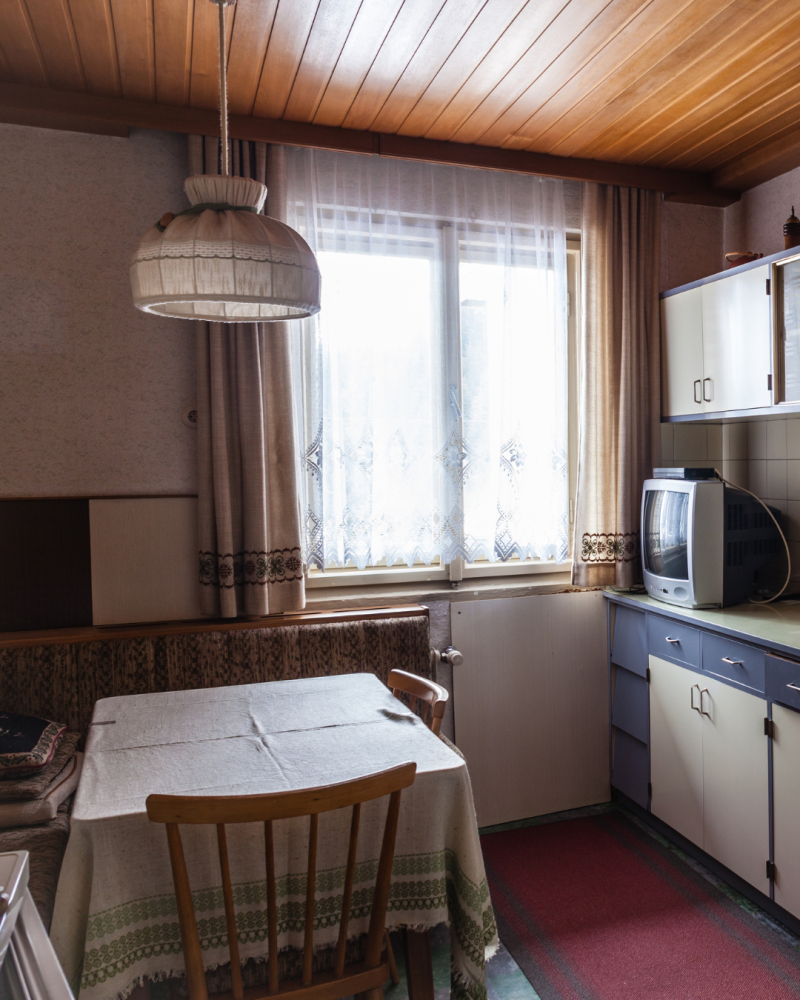
Manchester has a large number of homes built before the 1970s. Many bathrooms were originally designed for sheet vinyl or other lightweight flooring materials rather than tile. Over time, additional layers of flooring may have been installed or removed during previous remodels.
Once those layers are taken out, the subfloor underneath often tells the real story. Dips, seams, patches, or slight structural movement can affect how tile performs if the surface is not properly prepared.
Capital Tile & Marble addresses this early in the process. Subfloors are evaluated for stability and flatness before installation begins. When needed, the floor is leveled, reinforced, or prepared with the proper tile underlayment system so the finished installation has the support it needs.
Tile performs best when the surface beneath it is stable and consistent. Skipping that preparation may not show immediate problems, but it often leads to cracking or movement later.
Tight Bathroom Layouts
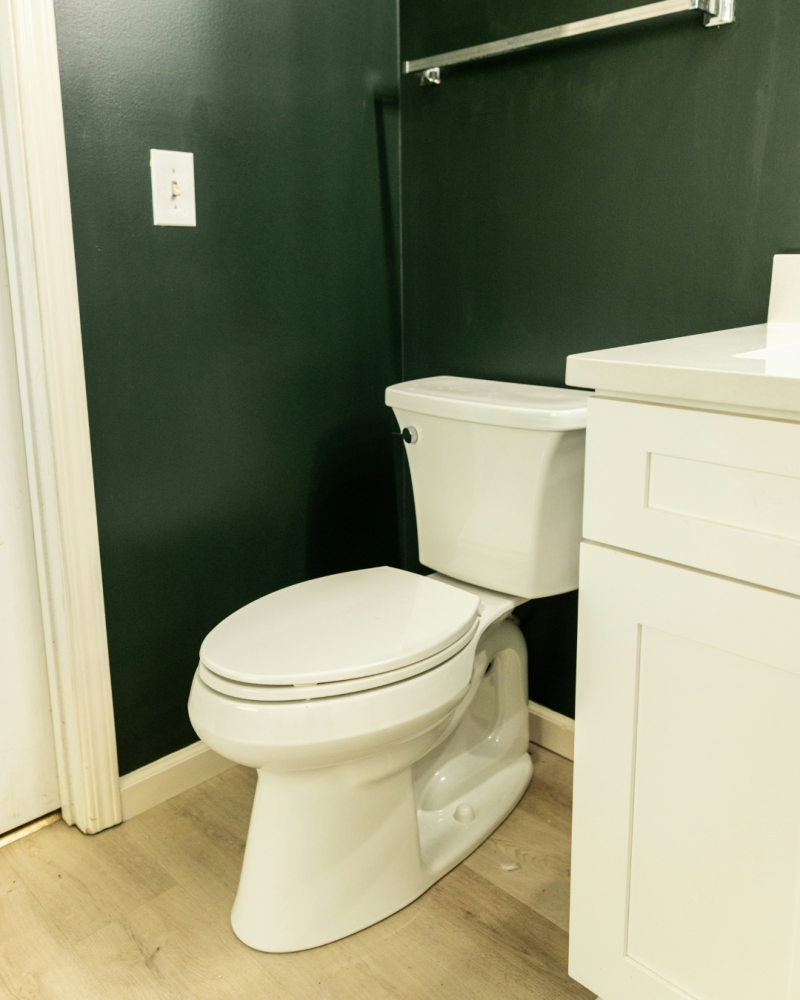
Many bathrooms in Manchester homes were built with compact layouts. Smaller spaces leave less room to hide uneven cuts or poorly planned tile placement.
Because of this, layout planning becomes one of the most important steps in the installation process. Before tile is installed, Capital Tile & Marble carefully maps the layout to determine where grout lines will fall and where tile cuts will occur.
The goal is to keep the pattern balanced within the room. Proper planning avoids narrow slivers of tile along walls or awkward transitions around fixtures. When done correctly, the layout feels centered and intentional even in a small space.
Out-of-Plumb Walls
Older homes rarely have perfectly straight walls. Over time, framing settles and plaster walls shift slightly. These small changes become noticeable once tile is installed because grout lines create strong visual references.
At Capital Tile & Marble, installers account for these conditions during layout and installation. Adjustments are made as needed so the tile pattern stays consistent even when surrounding walls are not perfectly aligned.
This attention to detail helps prevent the finished installation from highlighting structural irregularities that already exist in the home.
Waterproofing in Shower Areas
One of the most critical parts of any bathroom tile installation is also the part homeowners never see. Proper waterproofing sits behind the tile surface and protects the structure of the home from moisture.
Before tile installation begins, shower areas are carefully prepared with a waterproofing system designed to keep water from reaching framing or subfloor materials. Tile and grout create the visible surface, but the real protection comes from the layers beneath.
Capital Tile & Marble follows established installation methods that prioritize long-term performance in wet environments. When waterproofing is handled correctly from the start, it greatly reduces the risk of moisture problems later.
Coordinating Around Plumbing and Fixtures
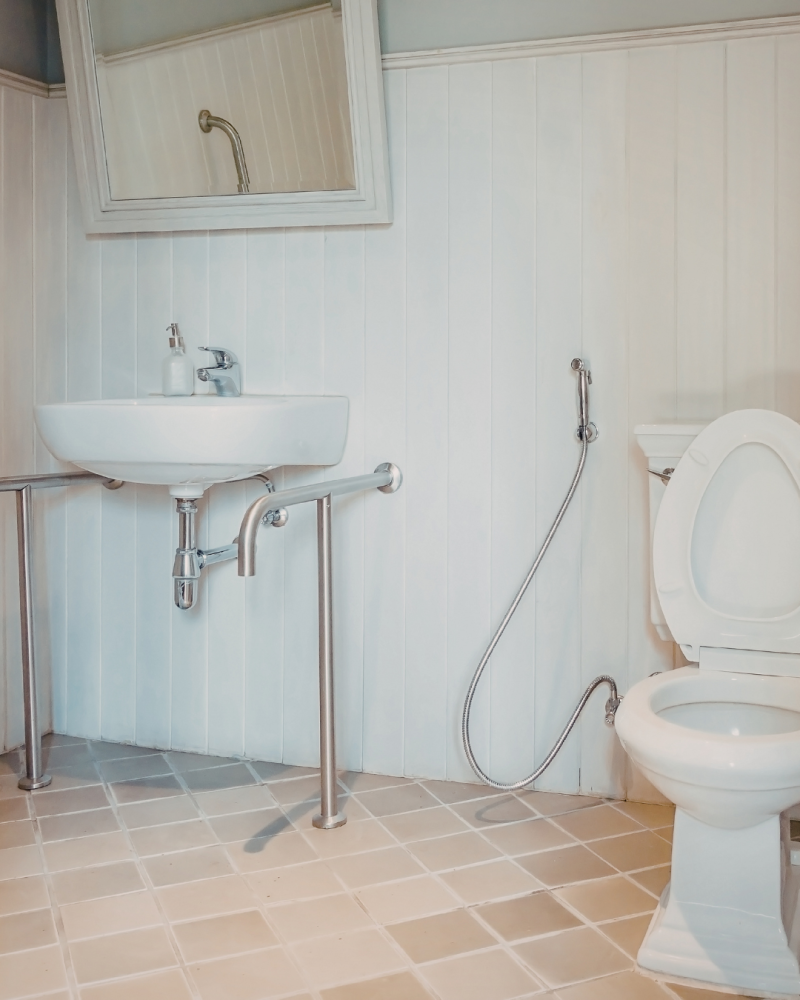
Bathroom tile installation often involves working around existing plumbing. In some Manchester homes, plumbing lines may have been installed decades ago and may not align perfectly with modern tile layouts or fixture placement.
During installation, Capital Tile & Marble coordinates closely with other trades to ensure drains, valves, and supply lines align properly with the finished tile surface. Small adjustments during installation help avoid awkward tile cuts or misaligned fixtures.
Careful planning around these elements keeps the finished bathroom looking clean and intentional.
Managing Transitions to Adjacent Flooring
Bathroom floors usually connect to other flooring materials in nearby rooms. Tile may transition to hardwood in a hallway or another type of flooring in a bedroom.
Managing these transitions is another important part of the installation process. The finished tile floor must align properly with surrounding materials while still allowing for the correct installation layers beneath the tile.
Capital Tile & Marble plans these transitions early so the finished floor height works smoothly with adjacent spaces. When done correctly, the change between materials feels natural rather than abrupt.
Why Experience Matters
Bathroom tile installation involves much more than placing tile on a surface. In Manchester homes, older structures, compact layouts, and existing plumbing conditions all influence how the installation should be approached.
Capital Tile & Marble focuses heavily on preparation, layout planning, and proper installation methods before tile is ever set in place. Addressing these challenges early allows the finished tile installation to perform the way it should for years to come.
The result is a bathroom that looks balanced, functions properly, and holds up to daily use without the issues that often appear when preparation is overlooked.